Funder: National Institute of Justice ($862,804) Principal Investigator: Eric L. Piza Co-Principal Investigators: Nathan T. Connealy & Victoria A. Sytsma Project Overview This project is a mixed-methods research project that leverages automated vehicle locator (AVL) data and body-worn camera (BWC) video to analyze police patrol activity and police-citizen interactions. We will first operationalize daily patrolContinue reading “Exploring Officer Patrol Behaviors Using Automated Vehicle Locator and Body-Worn Camera Data”
Category Archives: Refereed Journal Articles
AI vs. Human Transcription: Evaluating Accuracy and Meaning in Police Body-Worn Camera Footage
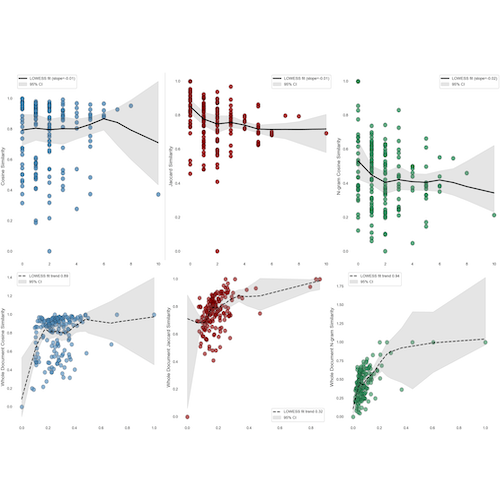
Savannah A. Reid, Stephen Abeyta, Eric L. Piza, Nathan T. Connealy, and Victoria A. Sytsma Journal of Experimental Criminology (2026) Research BriefVersion of Record (Open Access) Key Takeaways AI-generated transcripts of body-worn camera footage capture most of the same words as human-edited transcripts, but are much worse at identifying who is speaking AI transcripts identifyContinue reading “AI vs. Human Transcription: Evaluating Accuracy and Meaning in Police Body-Worn Camera Footage”
Computational Approaches and the Future of Urban Crime Research
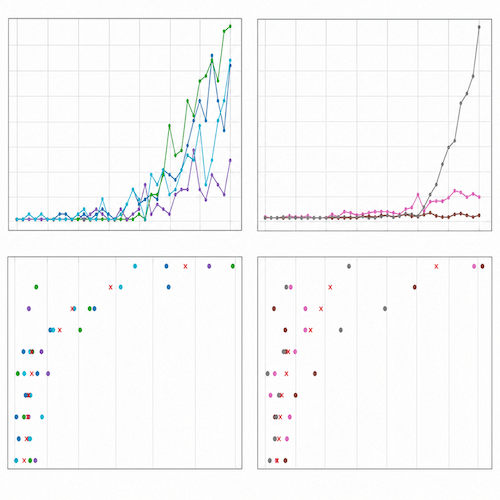
Gian Maria Campedelli, Zubin Jelveh, Aaron Chalfin, Daniel Semenza, Eric Piza, Ariadna Albors Zumel, Bruno Lepri, and Patrick Sharkey Nature (2026) Version of RecordOpen Access Post Print Abstract Urban environments have long been a central focus for crime researchers across diverse disciplines. Over the past few decades, this heterogeneous area of inquiry has experienced substantial methodologicalContinue reading “Computational Approaches and the Future of Urban Crime Research”
Geographic Networks of Gun Violence: Exploring Hot Spot Connectivity through Ballistic Evidence and Social Network Analysis
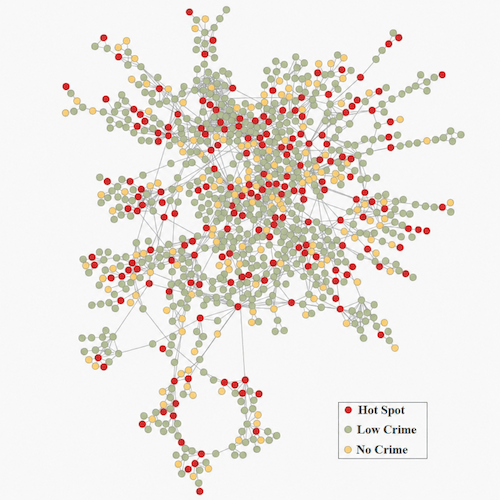
Eric L. Piza, Cassie McMillain, and Daniel Trovato Journal of Research in Crime & Delinquency (2026) Research BriefVersion of record (Open Access) Key Takeaways Ballistic evidence (NIBIN hits) reveals spatial links between gun violence hot spots A single large gun violence network spans much of the city, with 53% of street segments with NIBIN evidenceContinue reading “Geographic Networks of Gun Violence: Exploring Hot Spot Connectivity through Ballistic Evidence and Social Network Analysis”
Here Be Dragons: Burdens of Knowledge and Innovation in Evidence-Based Policing

Eric L. Piza Evidence Base: Criminal Justice Research, Policy and Action (2026) Research BriefVersion of Record (Open Access) Key Takeaways Evidence-based policing must evolve beyond “what works” to provide more value to police practitioners Innovation is constrained by the growing “burden of knowledge” that typifies developed sciences Further innovation requires deeper and more resource-intensive researchContinue reading “Here Be Dragons: Burdens of Knowledge and Innovation in Evidence-Based Policing”
Using Automated Vehicle Locator Data to Classify Discretionary Police Patrol Across Space
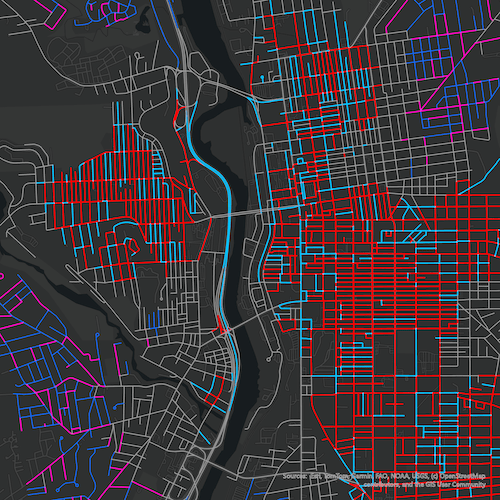
Eric L. Piza, Nathan T. Connealy, Savannah A. Reid, and Christianna M. Palermo Journal of Criminal Justice (2025) Research BriefVersion of Record (Open Access) Key Takeaways Automated vehicle locator data used to measure patterns of discretionary police patrol in Manchester, NH Discretionary patrol is unevenly distributed throughout the city Over 50% of street segments inContinue reading “Using Automated Vehicle Locator Data to Classify Discretionary Police Patrol Across Space”
Can Nonexperimental Studies Improve the Policy Relevance of Crime Prevention Research? Insights from Public-Area Video Surveillance Interventions

Savannah A. Reid, Eric L. Piza, Brandon C. Welsh, and John P. Moylan Annals of the American Academy of Political and Social Science (2024) Research BriefVersion of Record (Open Access) Key Takeaways This study analyzed the policy relevance of 151 video surveillance studies using the EMMIE framework The analysis measured whether relaxing methodological standards (i.e.,Continue reading “Can Nonexperimental Studies Improve the Policy Relevance of Crime Prevention Research? Insights from Public-Area Video Surveillance Interventions”
The Relative and Joint Effects of Gunshot Detection Technology and Video Surveillance Cameras on Case Clearance in Chicago
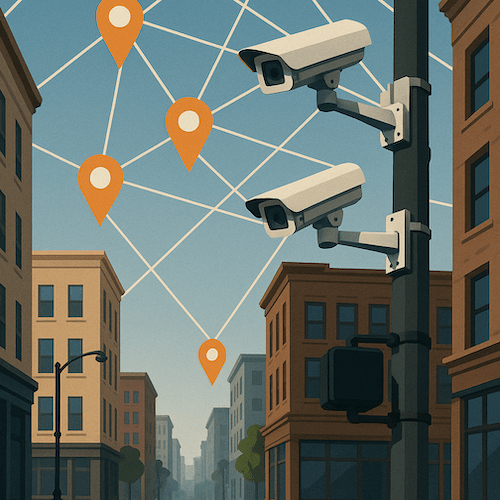
Eric L. Piza, Nathan T. Connealy, Rachael A. Arietti, George O. Mohler, and Jeremy G. Carter (2025) Criminology & Public Policy Research BriefVersion of Record (Open Access) Key Takeaways A matched quasi-experimental examined how gunshot detection technology (GDT) and CCTV cameras affected case clearance rates for fatal shootings (6,068 cases) and non-fatal shootings (64,884 cases)Continue reading “The Relative and Joint Effects of Gunshot Detection Technology and Video Surveillance Cameras on Case Clearance in Chicago”
Can Place-Based Crime Prevention Impacts Be Sustained Over Long Durations? 11-Year Follow-up of a Quasi-Experimental Evaluation of a CCTV Project

Eric L. Piza, Brandon C. Welsh, Savannah A. Reid, and David N. Hatten (2025) Criminology & Public Policy Research BriefVersion of Record (Open Access) Key Takeaways The research addresses concerns about whether CCTV interventions provide lasting crime reduction effects. CCTV had a statistically significant impact on reducing auto theft in the intermediate term (3–4 years).Continue reading “Can Place-Based Crime Prevention Impacts Be Sustained Over Long Durations? 11-Year Follow-up of a Quasi-Experimental Evaluation of a CCTV Project”
Examining use of Force Outcomes in Police Calls for Service: Evidence from Cincinnati
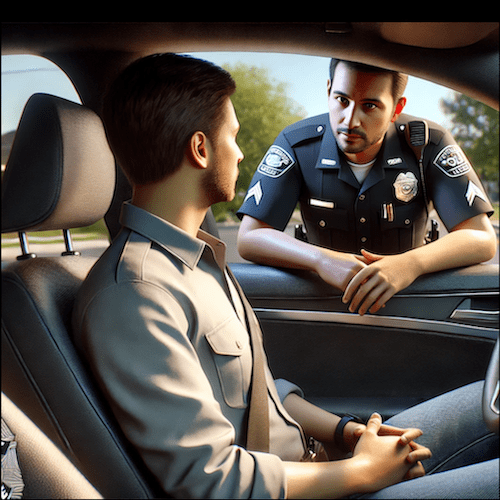
Joel Miller, Sam Guthrie, and Eric L. Piza (2024) Crime & Delinquency Version of RecordOpen Access Post Print Abstract This study explores the correlates of use of force (UOF) in police responses to calls for service (CFS), drawing on situational, community, and organizational perspectives. Linear probability models were used to analyze CFS and UOF recordsContinue reading “Examining use of Force Outcomes in Police Calls for Service: Evidence from Cincinnati”

