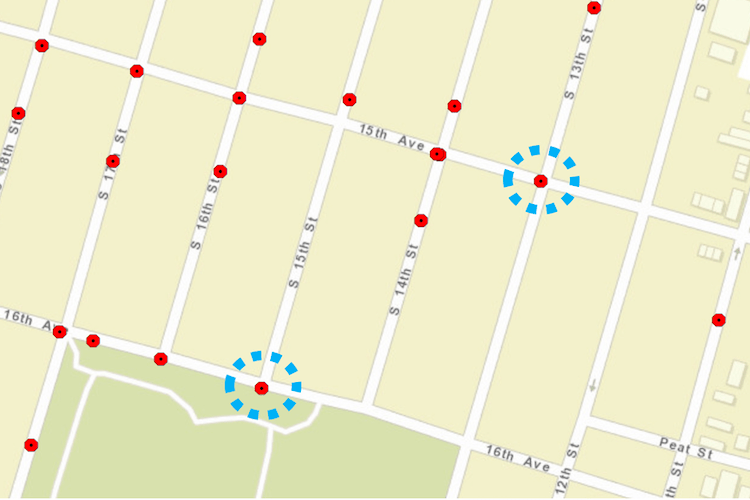
David N. Hatten & Eric L. Piza (2021) Journal of Research in Crime & Delinquency Research BriefOpen Access Post PrintPublished Article Key Takeaways Research Summary There is a well-documented belief among some police practitioners that, despite their best efforts, crime will simply move to another area and/or time in response to targeted crime prevention interventions.Continue reading “When Crime Moves Where Does It Go? Analyzing the Spatial Correlates of Robbery Incidents Displaced by a Place-based Policing Intervention”
Category Archives: Refereed Journal Articles
Scripting Police Escalation of Use of Force Through Conjunctive Analysis of Body-Worn Camera Footage: A Systematic Social Observational Pilot Study
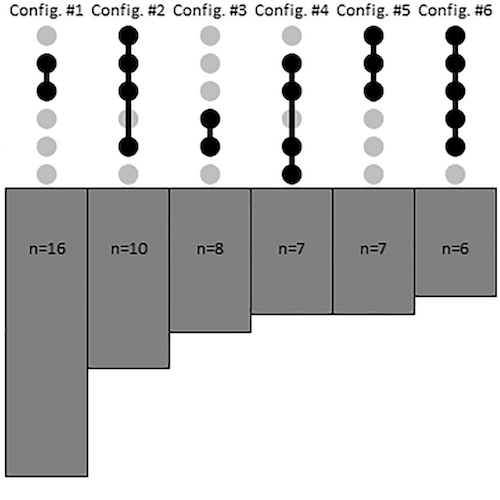
Victoria A. Sytsma, Vijay Chillar, & Eric L. Piza (2021) Journal of Criminal Justice Research BriefOpen Access Post PrintPublished Article *This study was funded by the Charles Koch Foundation, Policing and Criminal Justice Reform program Key Takeaways Research Summary Crime scripts organize crime events into sequential stages leading to a specifiable goal. This creates aContinue reading “Scripting Police Escalation of Use of Force Through Conjunctive Analysis of Body-Worn Camera Footage: A Systematic Social Observational Pilot Study”
Police Officers’ Best Friend?: An Exploratory Analysis of the Effect of Service Dogs on Perceived Organizational Support in Policing

Kenneth M. Quick & Eric L. Piza (2021). The Police Journal: Theory, Practice and Principles Open Access Post PrintPublished Article Abstract This study explored the effectiveness of a novel technique for police departments to support their officers and promote wellness: the use of service dogs. We evaluated officer perceptions in two mid-sized, municipal police departmentsContinue reading “Police Officers’ Best Friend?: An Exploratory Analysis of the Effect of Service Dogs on Perceived Organizational Support in Policing”
How Can Embedded Criminologists, Police Pracademics, and Crime Analysts Help Increase Police-Led Program Evaluations? A Survey of Authors Cited in the Evidence-Based Policing Matrix

Eric L. Piza, E., Jason Szkola, & Kwan-Lamar Blount-Hill, K. (2021) Policing: A Journal of Policy and Practice, 15(2): 1217-1231. Research BriefOpen Access Post PrintPublished Article Key Takeaways Lack of support from leadership and mid-level managers identified as most damaging factors to police research Crime analysts identified as easiest to incorporate into program evaluation effortsContinue reading “How Can Embedded Criminologists, Police Pracademics, and Crime Analysts Help Increase Police-Led Program Evaluations? A Survey of Authors Cited in the Evidence-Based Policing Matrix”
Crime Control Effects of a Police Substation Within a Business-Improvement District: A Quasi-Experimental Synthetic Control Evaluation

Eric L. Piza, Andrew P. Wheeler, Nathan T. Connealy, & Shun Q. Feng (2020) Criminology & Public Policy, 19(2): 653-684. Research BriefVersion of Record (Open Access)Data *This study was funded by the Professional Staff Congress – The City University of New York. Key Takeaways Research Summary In Sept. 2012, a partnership between the Newark PoliceContinue reading “Crime Control Effects of a Police Substation Within a Business-Improvement District: A Quasi-Experimental Synthetic Control Evaluation”
CCTV Surveillance for Crime Prevention: A 40-Year Systematic Review with Meta-Analysis

Eric L. Piza, Brandon C. Welsh, David P. Farrington, & Amanda L. Thomas (2019) Criminology & Public Policy, 18(1): 135-159 Research BriefOpen Access Post PrintPublished Article *This study was funded by the Swedish National Council for Crime Prevention Key Takeaways CCTV was associated with a ~13% reduction of crime in target areas as compared toContinue reading “CCTV Surveillance for Crime Prevention: A 40-Year Systematic Review with Meta-Analysis”
Predicting Initiator and Near Repeat Events in Spatiotemporal Crime Patterns: An Analysis of Residential Burglary and Motor Vehicle Theft
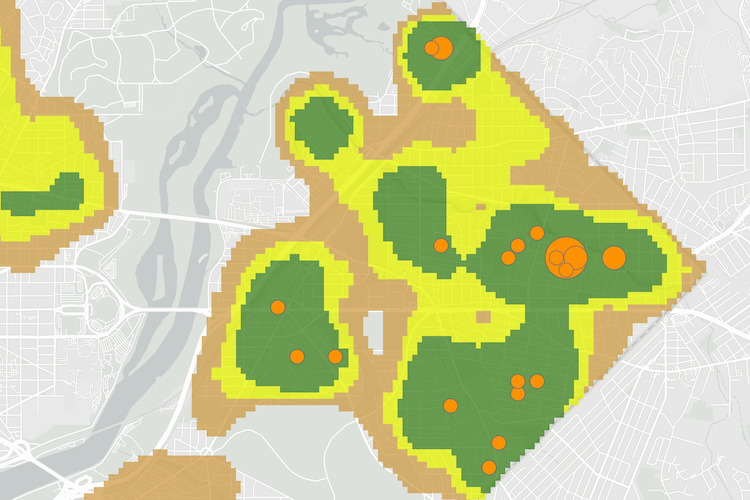
Eric L. Piza & Jeremy G. Carter, J. (2018) Justice Quarterly, 35(5): 842-870 Research BriefOpen Access Post PrintPublished Article *This study was supported by the Central Indiana Community Foundation, grant # 0000018207 Key Takeaways Near-repeat patterns were observed for both motor vehicle theft and residential burglary ~28% of motor vehicle thefts and ~37% of residentialContinue reading “Predicting Initiator and Near Repeat Events in Spatiotemporal Crime Patterns: An Analysis of Residential Burglary and Motor Vehicle Theft”
Measuring the Temporal Stability of Near-Repeat Crime Patterns: A Longitudinal Analysis
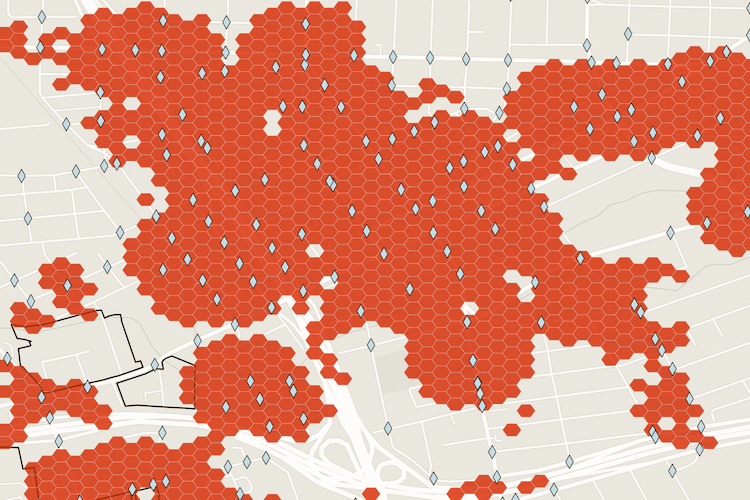
David N. Hatten & Eric L. Piza (2020) Crime & Delinquency Open Access Post PrintPublished Article Study Abstract This study investigates the temporal stability of identified near-repeat patterns using robbery crimes data in Newark, NJ. With the noteworthy exception of Hoppe & Gerell (2019) scholars have yet to explore the temporal stability of identified spatiotemporalContinue reading “Measuring the Temporal Stability of Near-Repeat Crime Patterns: A Longitudinal Analysis”
The Criminogenic Effect of Marijuana Dispensaries in Denver, Colorado: A Microsynthetic Control Quasi-Experiment and Cost-Benefit Analysis

Connealy, N., Piza, E. and Hatten, D. (2020) Justice Evaluation Journal, 3(1): 69-93 Published Article (Open Access) Study Abstract The study analyzed the criminogenic effect of legalizing recreational marijuana dispensaries in Denver. Street segments with recreational dispensaries experienced no changes in violent, disorder and drug crime but did experience an 18% increase in property crime,Continue reading “The Criminogenic Effect of Marijuana Dispensaries in Denver, Colorado: A Microsynthetic Control Quasi-Experiment and Cost-Benefit Analysis”
The Sensitivity of Repeat and Near Repeat Analysis to Geocoding Algorithms

Haberman, C., Hatten, D., Carter, J. and Piza, E. (2021) Journal of Criminal Justice, 73: 1-12 Open Access Post PrintPublished Article Study Abstract Purpose: To determine if repeat and near repeat analysis is sensitive to the geocoding algorithm used for the underlying crime incident data. Methods: The Indianapolis Metropolitan Police Department provided 2016 crime incidentContinue reading “The Sensitivity of Repeat and Near Repeat Analysis to Geocoding Algorithms”
 Eric L. Piza, Ph.D.